

 11 Aug
Understanding the Role of Herbicides in Modern Agriculture
In the world of modern agriculture, efficiency and productivity are key to feeding a growing global population. Farmers today are tasked with producing more food on the same amount of land, all while dealing with challenges such as climate change, soil degradation, and pest infestations. Among the tools that have revolutionized farming practices, herbicides stand out as one of the most effective means of controlling unwanted vegetation, or weeds, that compete with crops for nutrients, light, and water. In this post, we’ll delve into what herbicides are, how they work, and their essential role in modern farming.
What Are Herbicides?
Herbicides are chemical substances used to kill or inhibit the growth of unwanted plants, commonly referred to as weeds. Weeds are a significant problem in agriculture because they compete with crops for vital resources such as nutrients, water, and sunlight. Left unchecked, weeds can drastically reduce crop yields, making it difficult for farmers to achieve the productivity needed to sustain their livelihoods and feed the population.
There are many different types of herbicides, each designed to target specific types of weeds under certain conditions. The development of herbicides has allowed farmers to control weeds more effectively than ever before, leading to increased crop yields and more efficient farming practices.
How Herbicides Work
Herbicides work by interfering with specific biological processes in plants. The mode of action varies depending on the type of herbicide, but the goal is always the same: to disrupt the growth and development of weeds without harming the crops. Here are a few common ways herbicides work:
- Inhibition of Photosynthesis Some herbicides work by inhibiting photosynthesis, the process by which plants convert sunlight into energy. By disrupting this process, the herbicide effectively starves the weed of the energy it needs to grow.
- Disruption of Cell Division Another mode of action involves disrupting cell division in the weed. This prevents the weed from growing and spreading. These types of herbicides are often used on annual weeds that reproduce quickly.
- Hormonal Imbalance Certain herbicides mimic plant hormones that regulate growth. When these herbicides are absorbed by the weed, they cause an imbalance that leads to uncontrolled growth and eventually the death of the plant.
Benefits of Using Herbicides
The use of herbicides has transformed agriculture in several significant ways:
- Increased Crop Yields: By effectively controlling weeds, herbicides allow crops to grow without competition for resources. This results in higher yields and more productive farming.
- Reduced Labor Costs: Before herbicides, weed control was done manually, which was labor-intensive and time-consuming. Herbicides reduce the need for manual weeding, allowing farmers to focus on other important tasks.
- Improved Soil Health: With fewer weeds competing for nutrients, crops can access more of the essential nutrients they need. Additionally, because herbicides reduce the need for mechanical weeding, the soil structure is less likely to be disturbed, which helps maintain soil health.
- Environmental Protection: While herbicides must be used responsibly, they can reduce the need for mechanical weeding and tilling, which can cause soil erosion. By keeping the soil intact, herbicides can contribute to better soil conservation practices.
Challenges and Considerations
While herbicides offer many benefits, they also come with challenges that must be managed carefully:
- Resistance: Just as bacteria can become resistant to antibiotics, weeds can develop resistance to herbicides. Over time, certain weed species may no longer respond to a specific herbicide, making it less effective. To combat this, farmers often rotate herbicides with different modes of action and use integrated weed management practices.
- Environmental Impact: Herbicides can have unintended effects on non-target plants, animals, and microorganisms. It’s essential to use herbicides according to the label instructions to minimize environmental impact. Additionally, farmers should consider the potential impact on beneficial insects, such as pollinators, when selecting herbicides.
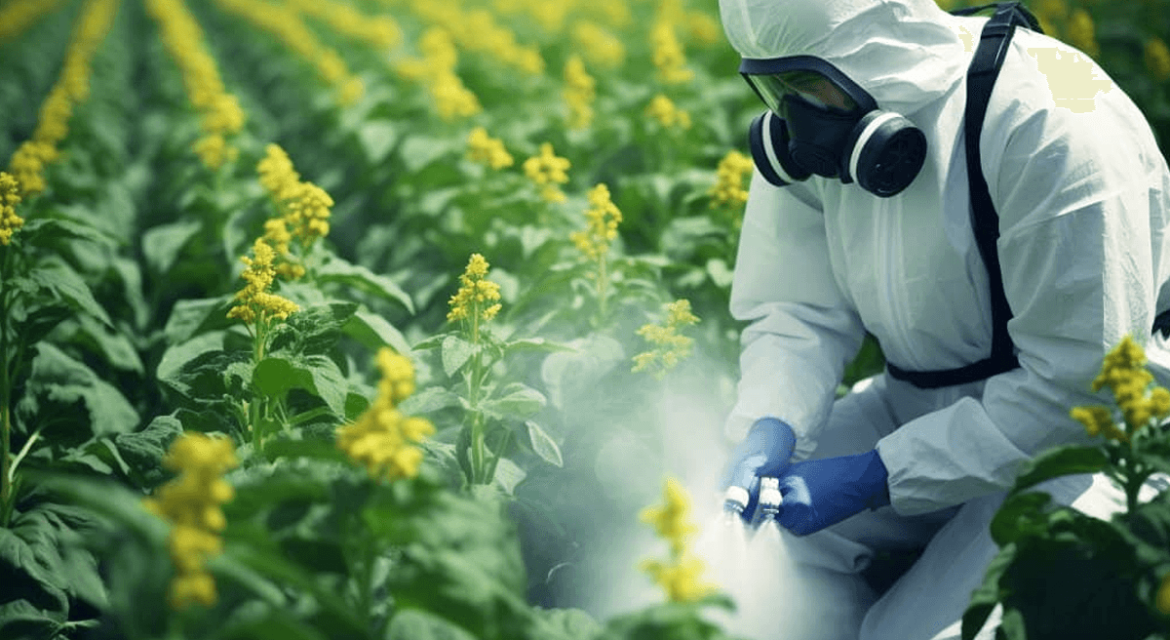
- Health and Safety: Handling herbicides requires careful attention to safety protocols. Farmers must use protective gear, such as gloves and masks, to avoid direct contact with the chemicals. Proper storage and disposal are also critical to preventing accidental exposure and environmental contamination.
Conclusion
Herbicides are a powerful tool in the arsenal of modern agriculture, offering numerous benefits in terms of productivity, efficiency, and sustainability. However, they must be used responsibly to avoid the development of resistant weed species, minimize environmental impact, and ensure the safety of farmers and consumers alike. As agricultural practices continue to evolve, the role of herbicides will likely remain central to achieving the high yields and sustainable farming practices needed to feed a growing global population.
By understanding the different types of herbicides, how they work, and the best practices for their use, farmers can make informed decisions that support both their crops and the environment. As always, it’s essential to stay informed about new developments in herbicide technology and integrated weed management strategies to continue reaping the benefits of this vital agricultural tool.